

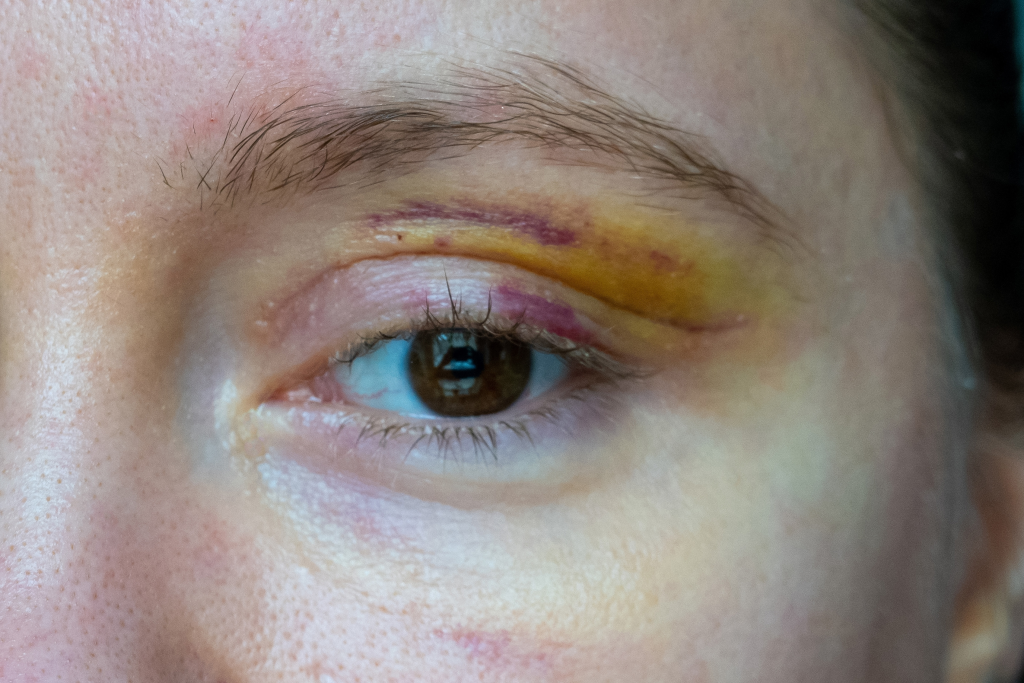
A deep plane facelift is a popular option for individuals looking to refresh their appearance and restore youthful contours to their face. This advanced surgical technique targets deeper facial tissues, offering more natural and long-lasting results. But like any surgery, it comes with recovery challenges. One common concern after a deep plane facelift is swelling, which can sometimes persist longer than expected.
Persistent swelling can be a source of worry, especially if it doesn’t seem to improve. This condition isn’t just cosmetic; it can also impact comfort and overall healing. So, let’s explore what causes this swelling and how you can manage it effectively, ensuring a smooth recovery and final results that meet your expectations.
Understanding Persistent Swelling
Swelling is a natural part of the healing process after any surgery, including a deep plane facelift. It’s your body’s way of kickstarting the healing process. But what exactly is persistent swelling? It refers to swelling that lasts beyond the typical recovery period, making it crucial to understand why it happens and how it affects recovery.
In the days following surgery, some swelling is perfectly normal. Generally, most of it subsides within a few weeks. However, if swelling sticks around longer than anticipated, it might indicate that the healing process needs some extra attention. Keeping a watchful eye on this can help ensure that your recovery stays on track and doesn’t hinder the final results.
Common Causes of Persistent Swelling
Understanding the reasons behind persistent swelling is an important step towards managing it effectively. Here are a few common causes:
– Blood Flow Issues: Sometimes, limited blood flow can lead to prolonged swelling. Ensuring proper circulation can be a vital part of recovery.
– Infections: Although rare, infections can contribute to ongoing swelling. It’s essential to follow your doctor’s post-operative guidelines to minimize this risk.
– Improper Care: Recovery requires following specific care instructions. Missing any steps or engaging in activities too soon might prolong swelling.
Several factors can influence how your body responds to surgery. Age, skin type, and even the particular surgical technique used by your surgeon can play a role. Lifestyle choices before and after surgery, like smoking or diet choices, can also contribute to swelling. Addressing these factors can help guide a smoother recovery process.
Effective Home Remedies and Care Tips
Managing swelling at home involves some easy and proven methods. It’s about being consistent and gentle with your approach to aid the healing process. Here’s what you can do:
– Icing: Apply cold packs or ice wrapped in a cloth to the swollen areas. Do this several times a day to help reduce swelling and numb any lingering discomfort. Avoid placing ice directly on your skin, as it might cause more harm than good.
– Elevation: Keep your head elevated, especially when you sleep. Using a few extra pillows to prop yourself up can help decrease swelling by aiding fluid drainage away from your face.
– Gentle Massage: Lightly massaging the swollen areas can improve circulation, but be careful not to overdo it. Check with your surgeon to ensure this is appropriate for you.
– Stay Hydrated and Eat Well: Drinking lots of water helps flush out toxins and keeps your skin healthy. Eating a balanced diet rich in fruits and veggies also promotes faster healing.
Be sure to stick closely to post-operative care instructions given by your surgeon. These guidelines are there to support your healing journey and ensure everything goes as smoothly as possible.
When to Seek Professional Help
Persistent swelling that doesn’t improve could be a sign of something more serious. It’s important to know when to reach out for professional advice. Here are some indicators:
– Severe discomfort or pain that isn’t fading.
– Areas of swelling that become increasingly red or hot to the touch.
– Any signs of infection, like fever or pus.
Should any of these symptoms arise, seeking medical guidance is key. A surgeon might recommend additional treatments or adjustments to your recovery plan that can help reduce swelling and enhance healing. Never ignore symptoms that feel out of the ordinary. Your health comes first, and addressing potential issues early can prevent more serious complications down the line.
Wrapping Up Your Recovery Journey
Recovering from a deep plane facelift takes time and a little bit of patience. Managing persistent swelling with care tips at home, while knowing when to consult a professional, paves the way for achieving the look you desire. Staying connected with your healthcare team ensures you are monitored and supported throughout your healing.
Taking these steps can make the difference in how you feel, both physically and emotionally, as you navigate recovery. By focusing on gentle care and following your doctor’s advice, you’ll be setting yourself up for a great outcome that you can enjoy with confidence. Keep in mind, your facelift journey is personal, and the best results often require a bit of time and care.
Ready to explore how you can achieve optimal results from your facelift journey? At Reveal Plastic Surgery, we understand the importance of minimizing persistent swelling and ensuring a smooth recovery. Trust the expertise of the Best Facelift Surgeon to provide comprehensive care tailored to your needs. Connect with us to learn more about our approach and commitment to patient satisfaction.
Serving the Heart of Silicon Valley
We proudly serve patients from across the Bay Area and beyond, including:
Redwood City, San Carlos, Portola Valley, Woodside, Menlo Park, Atherton, Palo Alto, Mountain View, Los Altos, Sunnyvale, Santa Clara, San Jose, Morgan Hill, Santa Cruz, Capitola, Aptos, and Soquel.
